
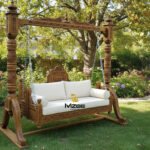

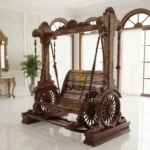
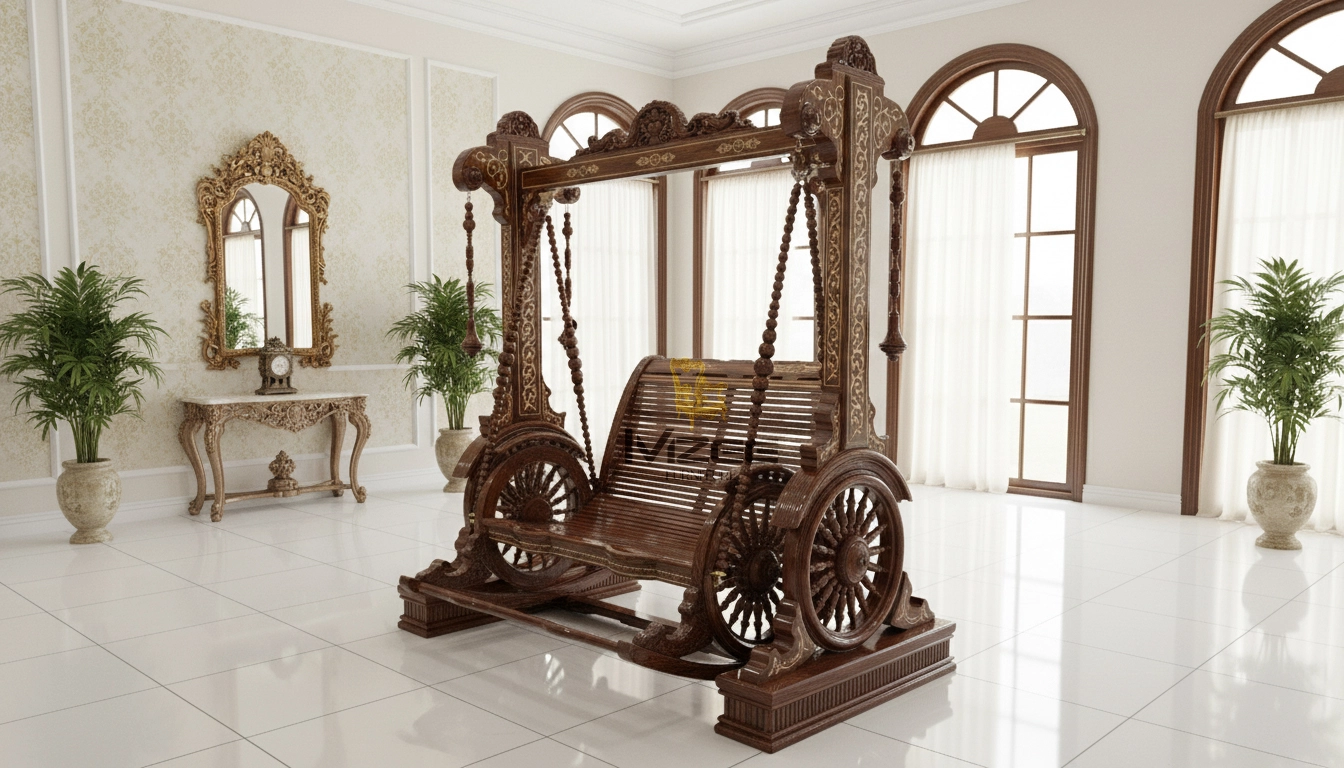
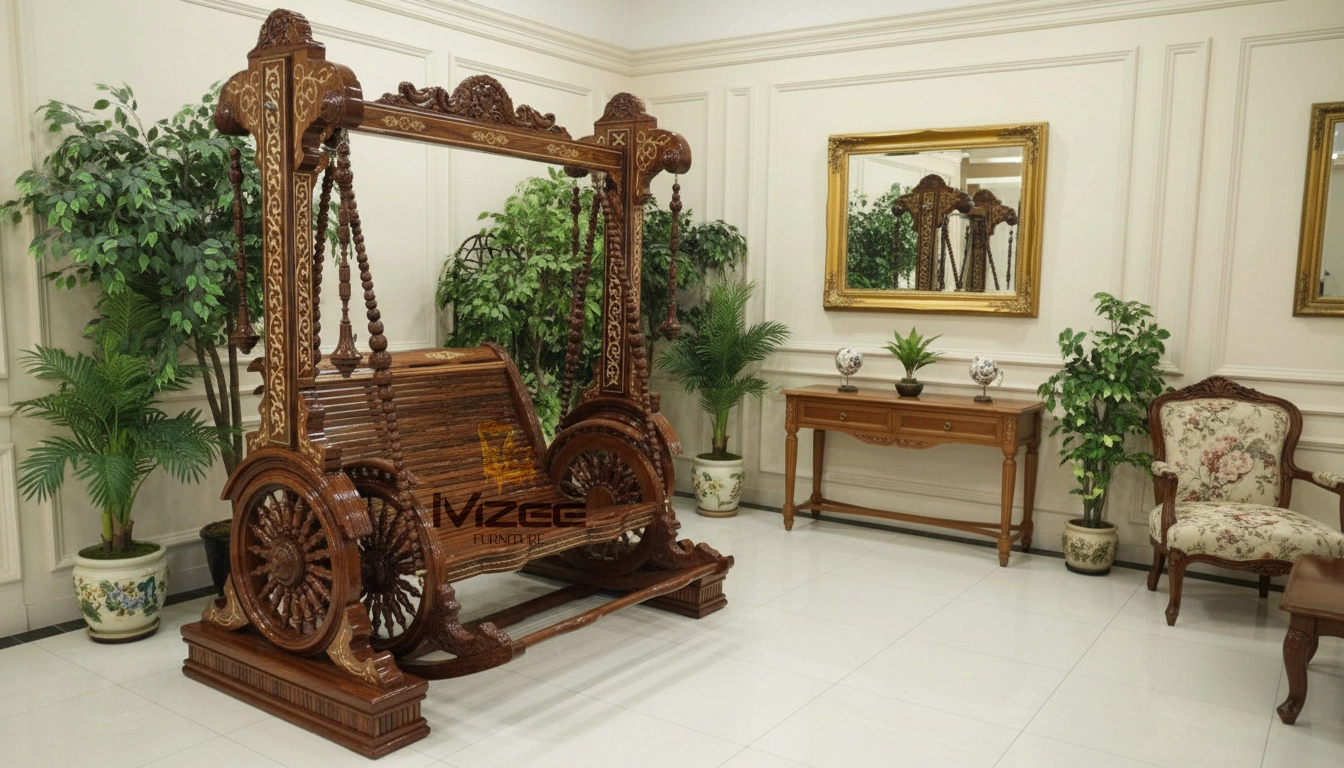
Description
Why the Chinioti Wooden jhoola Is the Most Sought-After Swing in the World
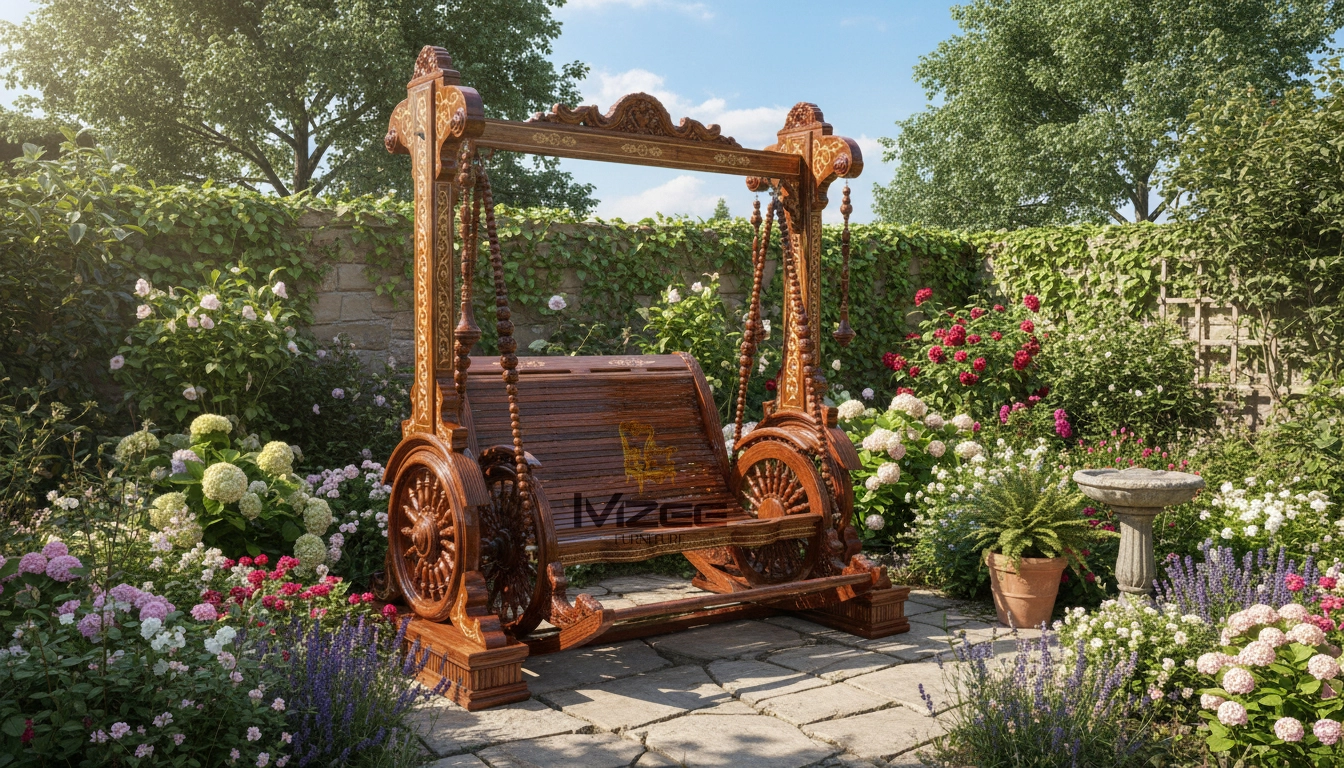
The Chinioti Wooden jhoola is not just a piece of furniture — it is a living piece of art that carries centuries of master craftsmanship in every carved groove. If you have ever dreamed of a swing that is equally at home in a royal drawing room, a garden courtyard, or a cozy bedroom corner, this is exactly what you have been looking for. One look at its intricate floral patterns and rich wood tone, and you instantly understand why people across the globe are willing to wait months for a handmade piece from Chiniot, Pakistan.
In this guide, you will find everything — from what makes this jhoola unique, to how to buy the right one, maintain it, and get full value for your money. Whether you are a first-time buyer or upgrading your current swing, this article will give you all the answers.
Google Merchant Center Fields
| Field | Value |
|---|---|
| ID | chinioti-wooden-jhoola-001 |
| Title | Chinioti Wooden jhoola – Handcrafted Sheesham Wood Swing |
| Product Type | Home Furniture > Swings & Jhoolay > Wooden Swings |
| Google Product Category | 436 (Furniture > Chairs) |
| Brand | Chinioti Crafts / Your Brand Name |
| Material | Sheesham Wood (Indian Rosewood) |
| Color | Natural Brown / Walnut / Mahogany / Antique Gold |
| Size | Single Seater / Double Seater / Custom |
| Condition | New |
| Age Group | Adult |
| Gender | Unisex |
| Price Range | 600.00 – 1500.00 USD |
| Availability | Made to Order |
| Shipping Weight | 35 – 80 kg (varies by size) |
| Item Group ID | chinioti-jhoola-series |
Key Features (for description bullets in enhanced listings)
- Hand-carved sheesham hardwood frame
- 150–250 kg load capacity
- Brass-coated chain suspension system
- Cushioned seat in velvet, brocade, or embroidered fabric
- Available in 4 finish options
- Fully customisable size and carving pattern
- 30–50 year estimated lifespan
- Handmade by artisans in Chiniot, Punjab, Pakistan
Product Overview: Chinioti Wooden jhoola at a Glance
Before we go deep, here is a quick snapshot so you can decide fast.
- What it is: A traditional handcrafted wooden swing (jhoola) made by skilled artisans from Chiniot, Pakistan, known globally for superior wood furniture.
- Primary material: Sheesham wood (Indian Rosewood), sometimes combined with Deodar or Teak depending on the workshop.
- Carving style: Deep floral motifs, geometric patterns, and arabesque designs — all done by hand.
- Key features: Sturdy swing frame, cushioned seat & backrest, ornamental chain or rope suspension, adjustable height.
- Best for: Drawing rooms, guest lounges, outdoor verandas, courtyards, gardens, and luxury bedroom corners.
- Who it is for: Home decorators, furniture collectors, wedding gift buyers, interior designers, and anyone who values artisan craftsmanship.
- Use cases: Daily relaxation, aesthetic décor, photography props, heritage-style interiors, gifting.
- Quick decision: If you want a swing that looks expensive, lasts decades, and becomes a family heirloom — the Chinioti Wooden jhoola is your answer.
The Rich History Behind the Chinioti Wooden jhoola
Chiniot is a small city in Punjab, Pakistan, but its furniture reaches every corner of the planet. The woodworking tradition here dates back over 400 years, rooted in Mughal-era craftsmanship. Artisan families have passed down the art of wood carving from generation to generation, and the jhoola — the traditional swing — became one of their most iconic creations.
What Makes Chiniot Different from Other Furniture Cities
Unlike mass-produced furniture hubs, Chiniot relies almost entirely on human hands. There are no shortcuts. Each piece begins as a rough block of aged sheesham wood and slowly transforms over days (sometimes weeks) into a piece covered in fine lattice carving. The artisans use chisels, hammers, and patience as their main tools.
The result is furniture that cannot be replicated by machines — slight variations in every piece actually add to its value. No two Chinioti Wooden jhoolay are ever identical, which is exactly why collectors prize them.
Global Recognition of Chinioti Craftsmanship
Chinioti furniture has been exported to the Middle East, Europe, North America, and Southeast Asia for decades. Royal families, five-star hotels, and heritage homes around the world display these pieces as statement furniture. The Chinioti Wooden jhoola, in particular, has become a centrepiece in luxury interior design projects globally.
Key Features of the Chinioti Wooden jhoola You Need to Know
1. Hand-Carved Woodwork
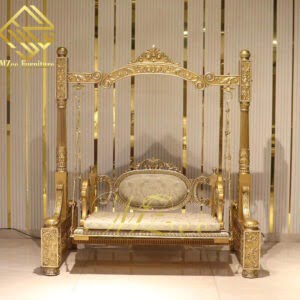
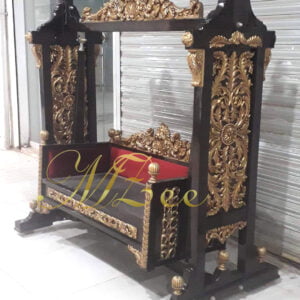
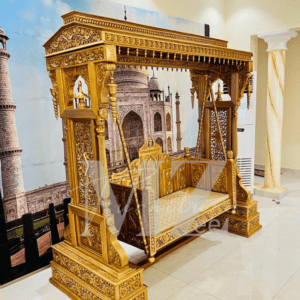
Every inch of a quality Chinioti Wooden jhoola is carved by hand. The patterns include lotus flowers, vines, geometric lattice, and Mughal-inspired arabesque. This is not printed or stamped — it is three-dimensional carving that casts real shadows and changes appearance with the light throughout the day.
2. Premium Sheesham Wood Construction
Sheesham (Dalbergia sissoo) is one of the hardest and most durable tropical hardwoods in Asia. It resists humidity, termites, and everyday wear far better than softer woods. A jhoola built from well-seasoned sheesham will stay strong and beautiful for 30 to 50 years with basic care.
3. Sturdy Swing Frame and Load Capacity
Authentic Chinioti jhoolay are built to hold significant weight — typically 150 kg to 250 kg depending on the size. The frame joints are mortise-and-tenon style, which are far stronger than nailed or screwed joints used in cheaper alternatives.
4. Ornamental Suspension System
The suspension chains or ropes are often crafted from brass-coated iron or thick jute rope, depending on the style. They attach to a heavy wooden beam above or directly to a ceiling hook. The attachment hardware is designed to distribute weight evenly for safe swinging.
5. Cushioned Seat and Backrest
Most finished Chinioti jhoolay come with thick padded cushions covered in velvet, brocade, or heavy cotton fabric. Some premium versions include handwoven fabric with zari embroidery to match the wood’s Mughal aesthetic.
6. Multiple Size Options
You can find single-seater, double-seater, and large family jhoolay. Sizes typically range from 3 feet wide for a solo swing to 6 feet wide for a family-sized model.
Chinioti Wooden jhoola – Specifications Table
| Specification | Details |
|---|---|
| Primary Material | Sheesham Wood (Indian Rosewood) |
| Secondary Material | Deodar / Teak (optional upgrade) |
| Finish Options | Natural polish, walnut stain, dark mahogany, antique gold |
| Carving Style | Mughal floral, arabesque, geometric lattice |
| Standard Size (double-seater) | 54 inches wide × 24 inches deep × 60 inches tall (frame) |
| Weight Capacity | 150 – 250 kg (varies by model) |
| Suspension Type | Brass-coated chains / Heavy jute rope |
| Cushion Fabric | Velvet / Brocade / Heavy Cotton / Embroidered fabric |
| Assembly | Partial assembly required (frame bolts provided) |
| Indoor / Outdoor Use | Primarily indoor; outdoor use with weatherproofing treatment |
| Estimated Lifespan | 30 – 50 years with basic maintenance |
| Origin | Chiniot, Punjab, Pakistan |
| Price Range | $200 – $1,500+ USD (depending on size, carving, and finish) |
Top Benefits of Owning a Chinioti Wooden jhoola
It Instantly Elevates Any Room
There are very few furniture pieces that can single-handedly change the entire mood of a room. The Chinioti Wooden jhoola does exactly that. Whether it is placed in a minimalist modern room or a heavily decorated traditional setting, it becomes the visual anchor of the space.
It Is Built to Last for Generations
Unlike flat-pack furniture that starts wobbling after a year, a properly made Chinioti jhoola is an investment piece. Families in Pakistan pass them down as heirlooms — and there is a real market for vintage Chinioti pieces that are 50 or more years old.
It Supports Traditional Artisans Directly
When you buy an authentic Chinioti Wooden jhoola, you are directly supporting skilled craftsmen and their families. Many of these artisans depend entirely on orders for their livelihood. Your purchase keeps a 400-year-old tradition alive.
Therapeutic Swinging Motion
Studies in occupational therapy have long noted the calming effect of rhythmic swinging motion on the nervous system. A jhoola provides a natural, low-tech way to de-stress after a long day — and it looks far better than any rocking chair.
Highly Customisable
You can order a Chinioti Wooden jhoola in almost any size, carving pattern, wood finish, and cushion fabric. Many workshops also accept custom monograms, family crests, or specific design briefs for bespoke pieces.
Honest Pros and Cons of the Chinioti Wooden jhoola
Pros
- Exceptional hand-carved artistry unique to every piece
- Long lifespan — 30 to 50 years with basic maintenance
- Strong cultural and heritage value
- High resale and collector value over time
- Fully customisable in size, wood, and finish
- Works as both functional furniture and decorative art
- Suitable for indoors and covered outdoor spaces
- Supports traditional artisan livelihoods directly
Cons
- Heavier and bulkier than modern swings — harder to move or store
- Requires ceiling reinforcement for safe installation in some homes
- Not suitable for uncovered outdoor use without weatherproofing
- Delivery costs can be high for international shipping due to weight
- Longer lead time — handmade pieces can take 4 to 12 weeks
- Requires periodic polishing to maintain wood finish
Chinioti Wooden jhoola vs Other Swing Types – Comparison Table
| Feature | Chinioti Wooden jhoola | Modern Metal Swing | Plastic Garden Swing | Rattan / Wicker Swing |
|---|---|---|---|---|
| Material Quality | Premium hardwood | Powder-coated steel | Injection-moulded plastic | Natural / synthetic rattan |
| Aesthetic Appeal | Very High (heritage art) | Moderate (industrial) | Low | High (natural) |
| Lifespan | 30 – 50 years | 10 – 20 years | 3 – 7 years | 8 – 15 years |
| Customisation | Full (size, carving, finish) | Limited | Minimal | Moderate |
| Maintenance | Low (polish every 6–12 months) | Low (rust prevention) | Very Low | Moderate |
| Indoor Suitability | Excellent | Poor | Poor | Good |
| Resale / Collector Value | High | Low | None | Low |
| Price Range (USD) | $200 – $1,500+ | $80 – $500 | $30 – $200 | $100 – $600 |
| Cultural / Heritage Value | Very High | None | None | Low |
Buying Guide – How to Choose the Right Chinioti Wooden jhoola
With so many options available online and in showrooms, it can be overwhelming. Here is a straightforward checklist to help you pick the right piece without regret.
Step 1 – Decide Your Space Size
Measure the ceiling height and floor area where you plan to hang the jhoola. A double-seater typically needs at least a 10-foot ceiling and 5 × 4 feet of floor space. For smaller rooms, a single-seater with a more compact frame works better.
Step 2 – Choose the Right Wood
Sheesham is the standard and most recommended material. If you want something even harder and more resistant to humidity, ask for Teak (though it costs more). Avoid pieces made from rubber wood or MDF — these are not authentic Chinioti work and will not last.
Step 3 – Check Carving Quality
Run your fingers along the carved surface. Real hand-carving will have slight irregularities and depth variation. Machine-cut patterns feel uniform and shallow. The best way to verify is to look at the carving from the side — genuine hand-carving throws shadows at irregular angles.
Step 4 – Verify the Suspension Hardware
The chains or ropes must be rated for at least 1.5 times your intended load. Brass-coated iron chains are preferable indoors. Ask the seller for the load rating and check that the ceiling hook anchor hardware is included.
Step 5 – Ask About Finish and Polish
Confirm whether the piece is finished with natural oil polish, polyurethane lacquer, or wax. Oil polish gives the most authentic look and is easier to touch up. Lacquer lasts longer but looks more manufactured.
Step 6 – Confirm Customisation Options
If you want a specific size, cushion colour, or carving pattern, always confirm this before placing an order. Most reliable Chinioti workshops accept custom orders with a 30–50% advance payment.
Step 7 – Check Delivery and Shipping Details
For international orders, make sure the piece is properly crated in a wooden box, not just wrapped in foam. Ask for full insurance on the shipment and confirm whether VAT/import duties are included in the quoted price.
Who Should Buy a Chinioti Wooden jhoola
Perfect For
- Home decorators and interior designers looking for a centrepiece with heritage appeal
- Furniture collectors who appreciate handmade artisan work
- Families wanting a multi-generational piece that becomes a family heirloom
- Wedding couples — the Chinioti jhoola is a traditional and deeply meaningful wedding gift in South Asian culture
- Boutique hotels and heritage resorts aiming to create a distinctive guest experience
- Diaspora communities looking to connect with Pakistani cultural heritage from abroad
Who Should Avoid It
- Renters who move frequently — the piece is heavy and reinstallation requires ceiling work
- Those with very low ceilings (under 9 feet) — a full jhoola frame needs adequate vertical clearance
- Buyers looking for a quick, cheap solution — the lead time and price point do not suit impulsive or budget-limited purchases
- Outdoor-only use in rain-exposed spaces — unless the piece is specifically treated for outdoor conditions
How to Care for Your Chinioti Wooden jhoola
Daily Care
Dust the carved surfaces with a soft, dry cloth or a soft-bristled brush. Avoid wet wiping unless absolutely necessary — excess moisture can cause the wood to swell or the polish to cloud over time.
Every 6 to 12 Months
Apply a thin coat of linseed oil, teak oil, or furniture wax to the entire wood surface. This keeps the wood nourished and the finish looking rich. Buff with a soft cloth after application for best results.
Hardware Check
Inspect the suspension chains, hooks, and frame bolts every 3 to 6 months. Tighten any loose bolts immediately. If you notice any rust on the chains, replace them rather than painting over the rust.
Protect from Direct Sunlight
Prolonged direct sunlight will fade the wood finish and dry out the cushion fabric. Position your jhoola in a bright but indirectly lit spot for the best long-term appearance.
Popular Use Cases for the Chinioti Wooden jhoola
Drawing Room Statement Piece
The most common use. A single Chinioti jhoola placed in a drawing room corner immediately commands attention and starts conversations with every guest.
Veranda and Courtyard Accent
In traditional South Asian and Middle Eastern architecture, a shaded veranda or inner courtyard is the ideal setting. The wood tones complement natural stone flooring and terracotta walls beautifully.
Photography and Content Creation
The intricate carving and warm wood tones make the Chinioti jhoola a popular prop for wedding photography, fashion shoots, and lifestyle content creation. It photographs exceptionally well in both natural and studio light.
Luxury Hotel and Resort Décor
Boutique properties with heritage or South Asian themes regularly incorporate the Chinioti Wooden jhoola as a signature lobby or suite element to create an authentic, premium experience.
Cultural Event Décor
From mehndi ceremonies to cultural festivals, the jhoola plays a central decorative role in South Asian events globally.
Frequently Asked Questions About the Chinioti Wooden jhoola
Q1: How long does it take to make a handcrafted Chinioti Wooden jhoola?
A standard double-seater Chinioti Wooden jhoola takes between 3 to 6 weeks to complete from raw wood to finished piece. Heavily carved or custom designs can take up to 12 weeks. Always confirm the timeline before placing your order.
Q2: Can I install a Chinioti Wooden jhoola in an apartment?
Yes, but only if your ceiling can support the load. A standard jhoola with two occupants can exert 200–300 kg of dynamic force on the ceiling hook. Always have a structural engineer or experienced carpenter assess your ceiling before installation. Reinforcement with a heavy metal anchor plate is often needed for concrete ceilings.
Q3: Is the Chinioti Wooden jhoola suitable for outdoor use?
It can be used in a covered outdoor space like a veranda, but direct exposure to rain and humidity will damage the wood and finish over time. If you need outdoor placement, ask your seller for a weatherproof treatment (typically a marine-grade lacquer or teak oil seal) before delivery.
Q4: What is the average price of a Chinioti Wooden jhoola?
Prices vary widely. A basic single-seater starts around $200 to $350 USD from a direct workshop. A standard double-seater ranges from $400 to $800 USD. Heavily carved, large, or fully custom pieces can exceed $1,500 USD. International shipping typically adds $150 to $500 depending on your location.
Q5: How do I verify that a jhoola is genuinely Chinioti-made?
Look for irregular hand-carving depth, mortise-and-tenon joinery at the frame corners, and genuine sheesham wood (it has a characteristic interlocked grain and natural fragrance). Ask the seller for workshop location details and, ideally, photos or a video of the piece being made. Reputable workshops will have no problem sharing this.
Q6: Can I get a Chinioti Wooden jhoola custom-made to my dimensions?
Absolutely. This is one of the biggest advantages of buying directly from a Chiniot workshop. You can specify width, height, carving pattern, wood finish, and cushion fabric. Bespoke orders typically require a 40–50% deposit upfront and a lead time of 6 to 12 weeks.
Final Verdict – Is the Chinioti Wooden jhoola Worth It?
The answer is a clear yes — if you value quality, heritage, and longevity over quick fixes. The Chinioti Wooden jhoola is not just a swing. It is a statement, an investment, and a connection to one of the most respected woodworking traditions in the world. Every carved flower, every polished joint, and every smooth curve represents hours of skilled human labour that no factory in the world can replicate on a machine.
Whether you are decorating a new home, looking for a meaningful wedding gift, or simply want one extraordinary piece of furniture that will outlast every other item in your house — this is it.
The Chinioti Wooden jhoola will not disappoint. It will age gracefully, grow more beautiful over time, and remain the first thing every visitor notices the moment they walk into your room.
Ready to bring one home? Contact a trusted Chinioti furniture workshop directly, ask for custom options, verify the wood quality, and place your order today. A piece of this calibre is worth every penny and every day of the wait.
Luxury Wooden Swings Collections
Luxury Wooden Bed Set Collection
Reviews
There are no reviews yet.